YEAR
2024
TYPE
F&B
PAX
100
AREA
442 sqm
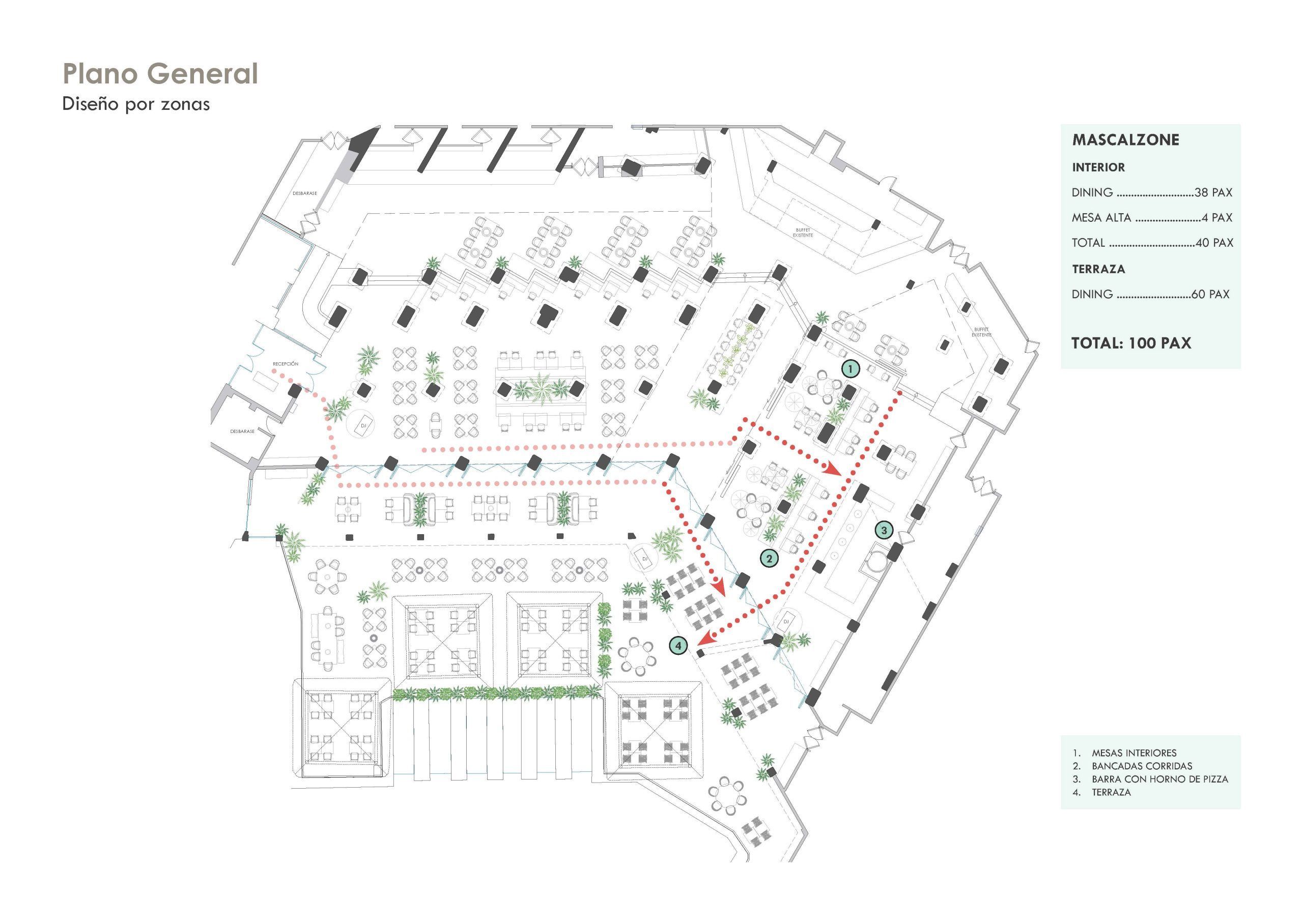
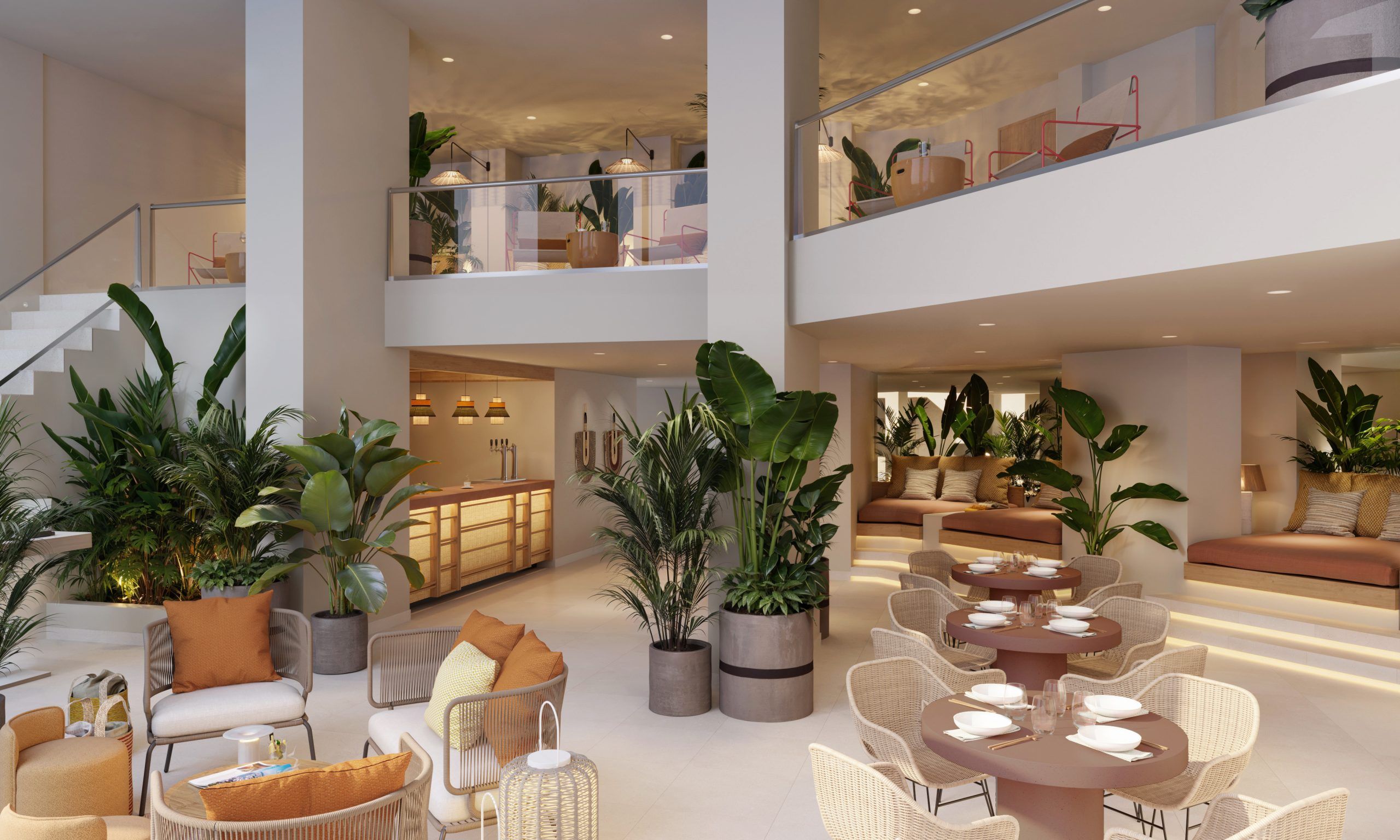
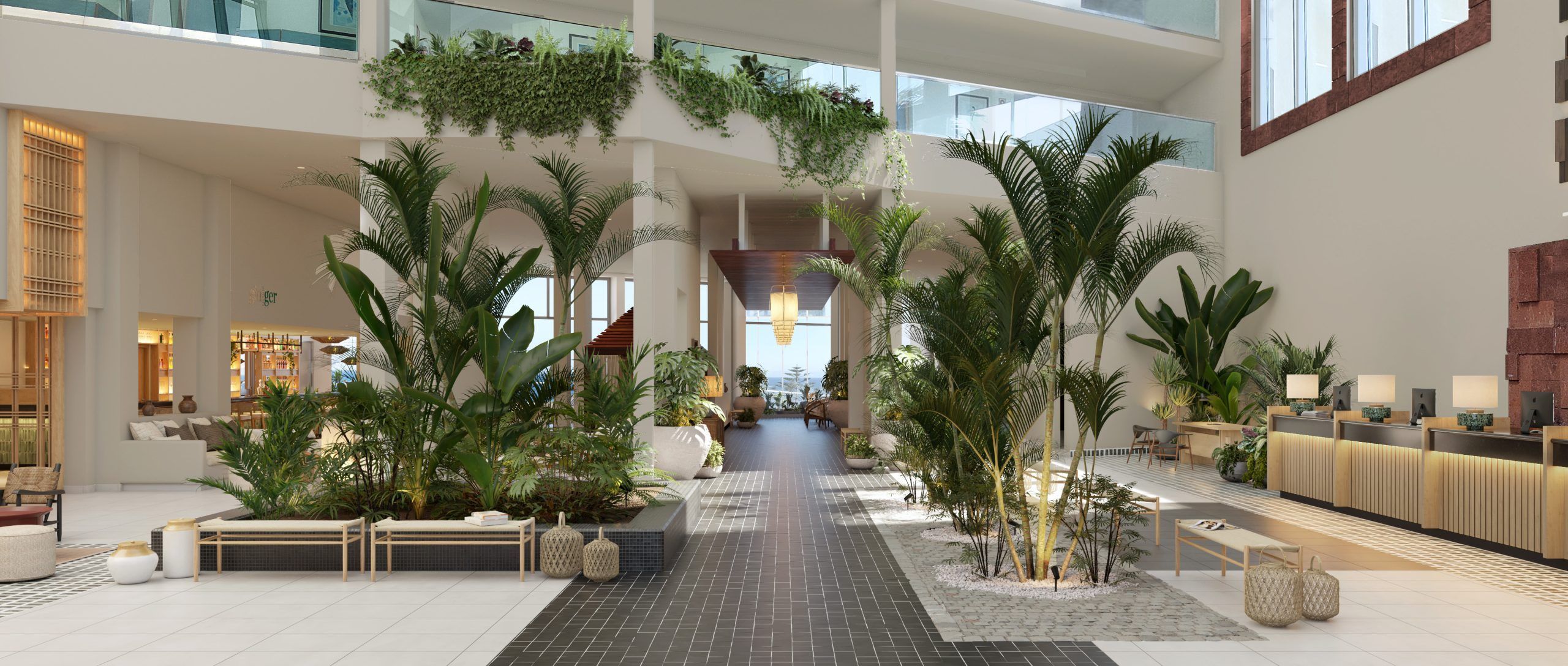
Located beside the Gastrohall, Mascalzone defines its own identity within the shared dining landscape of the hotel. While connected to the main F&B area through material continuity, spatial flow, and views toward the sea, it distinguishes itself through a warmer, more vibrant language inspired by the familiarity of Italian trattorias and the conviviality of gathering around a table.
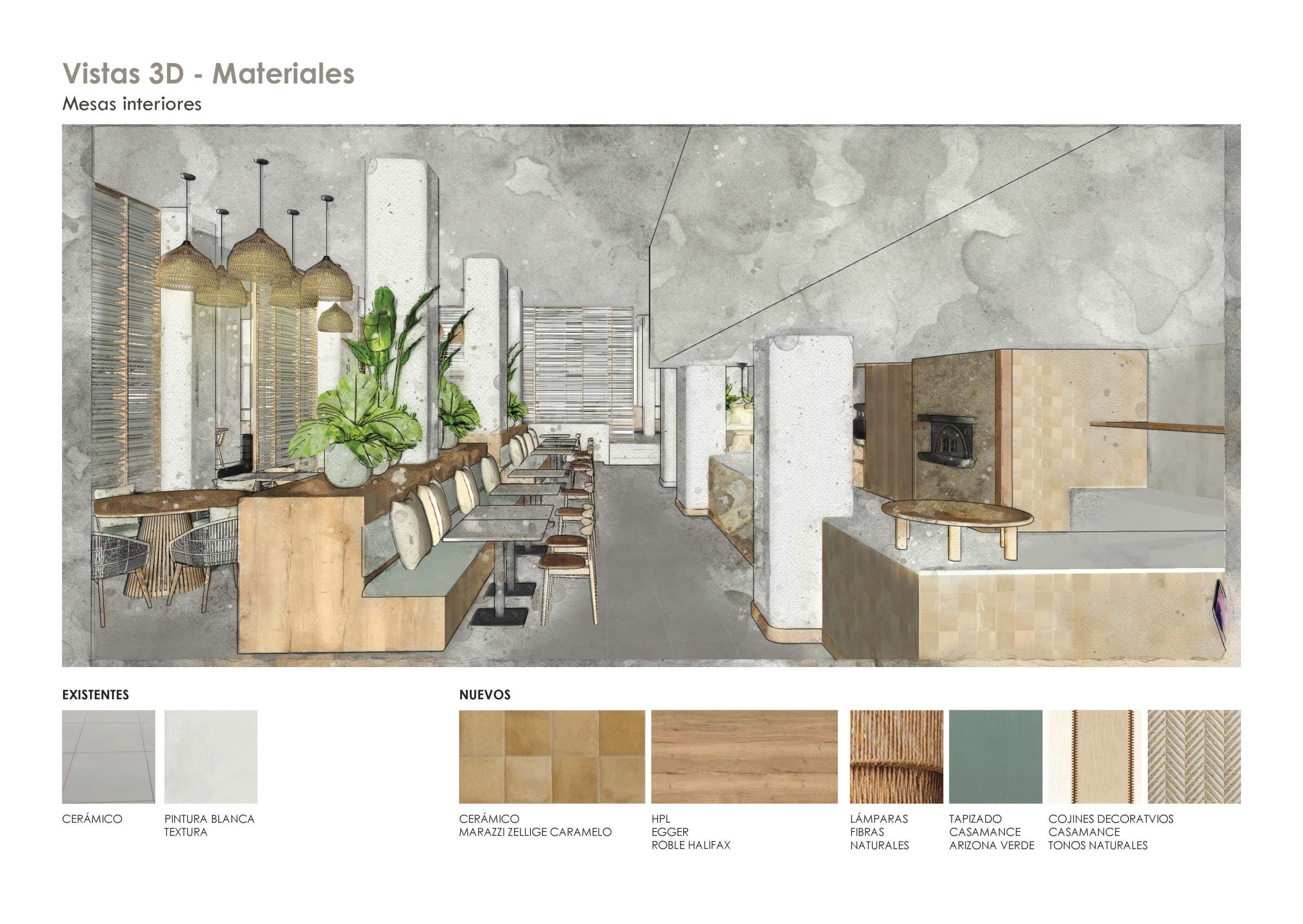
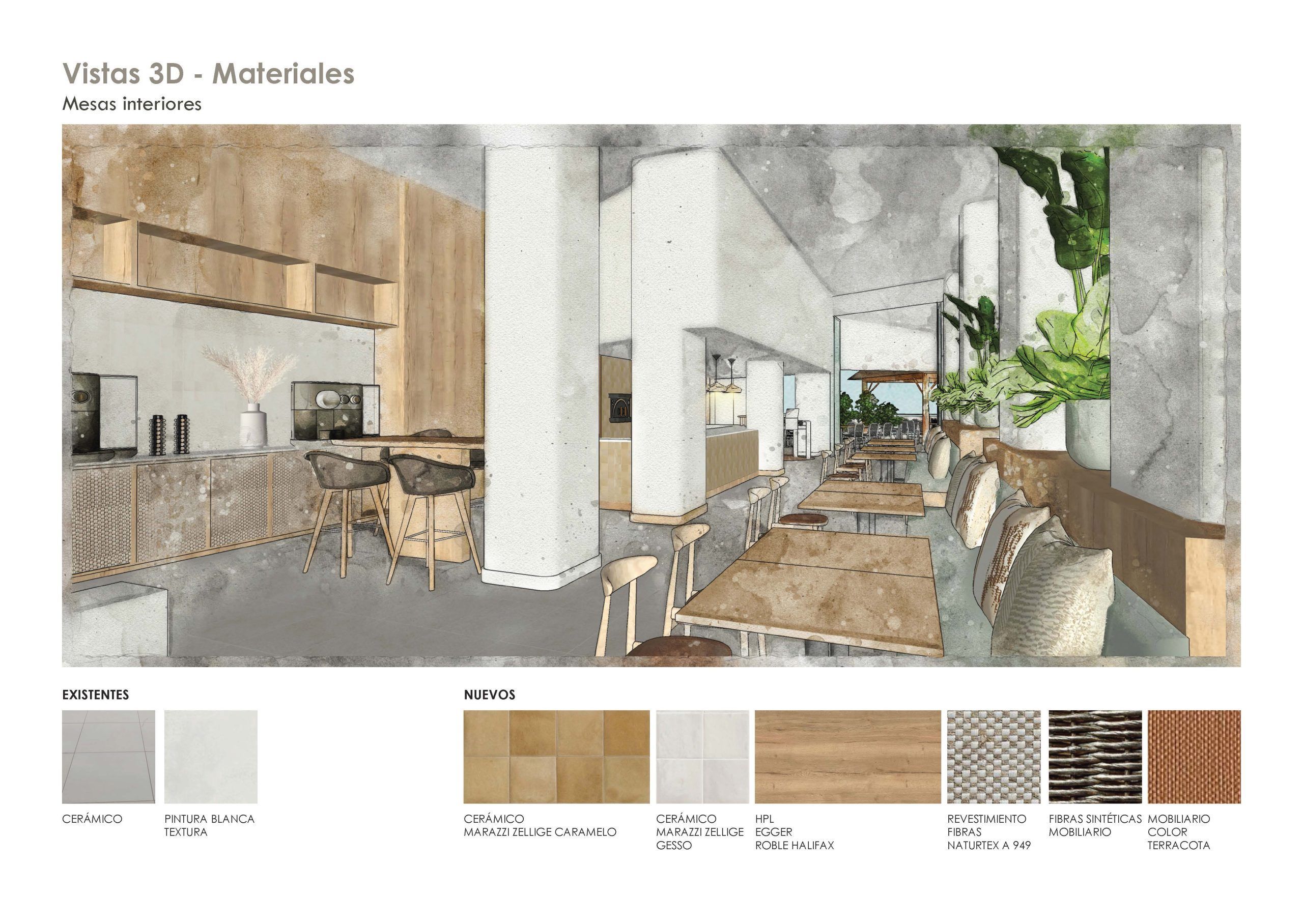
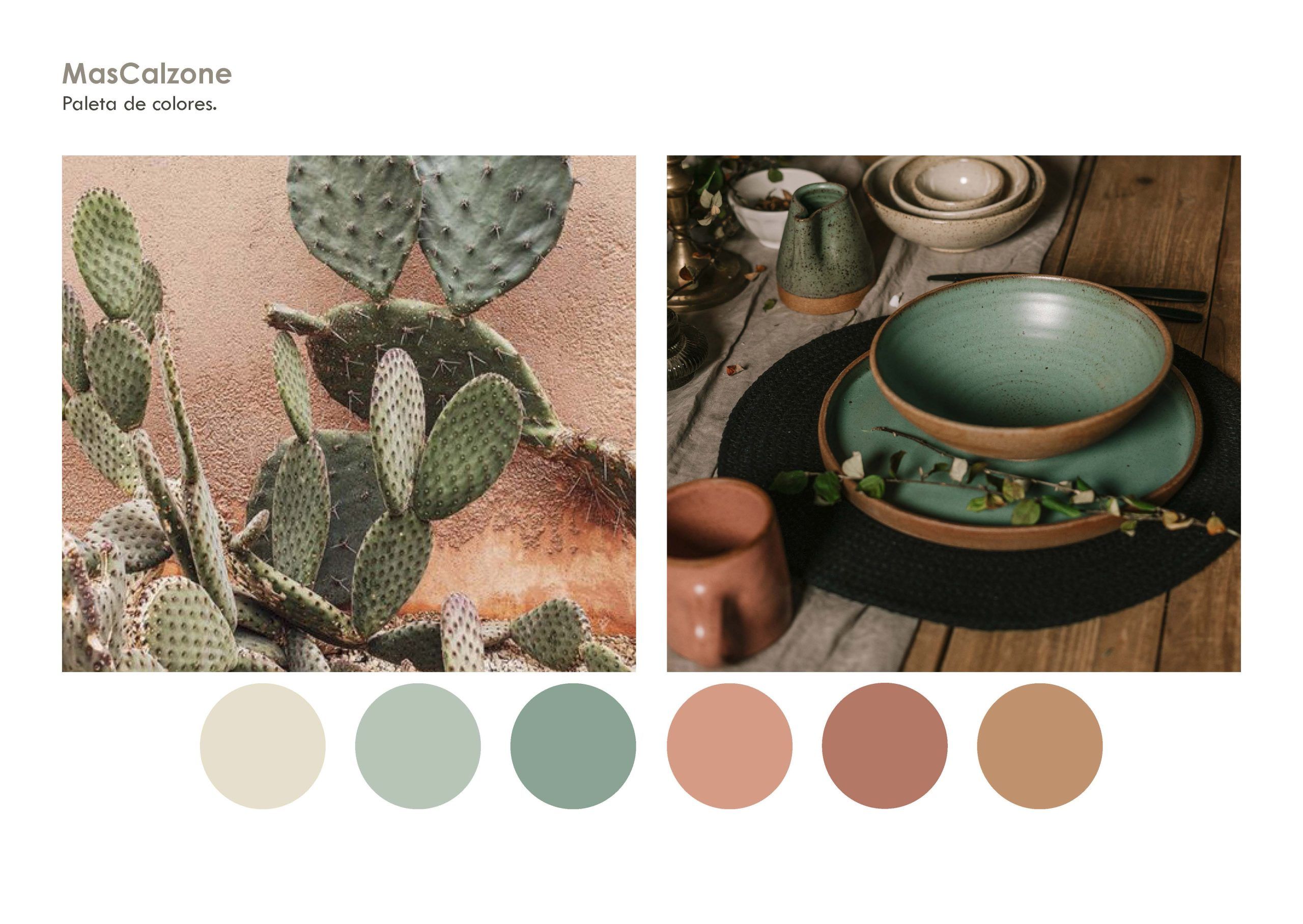
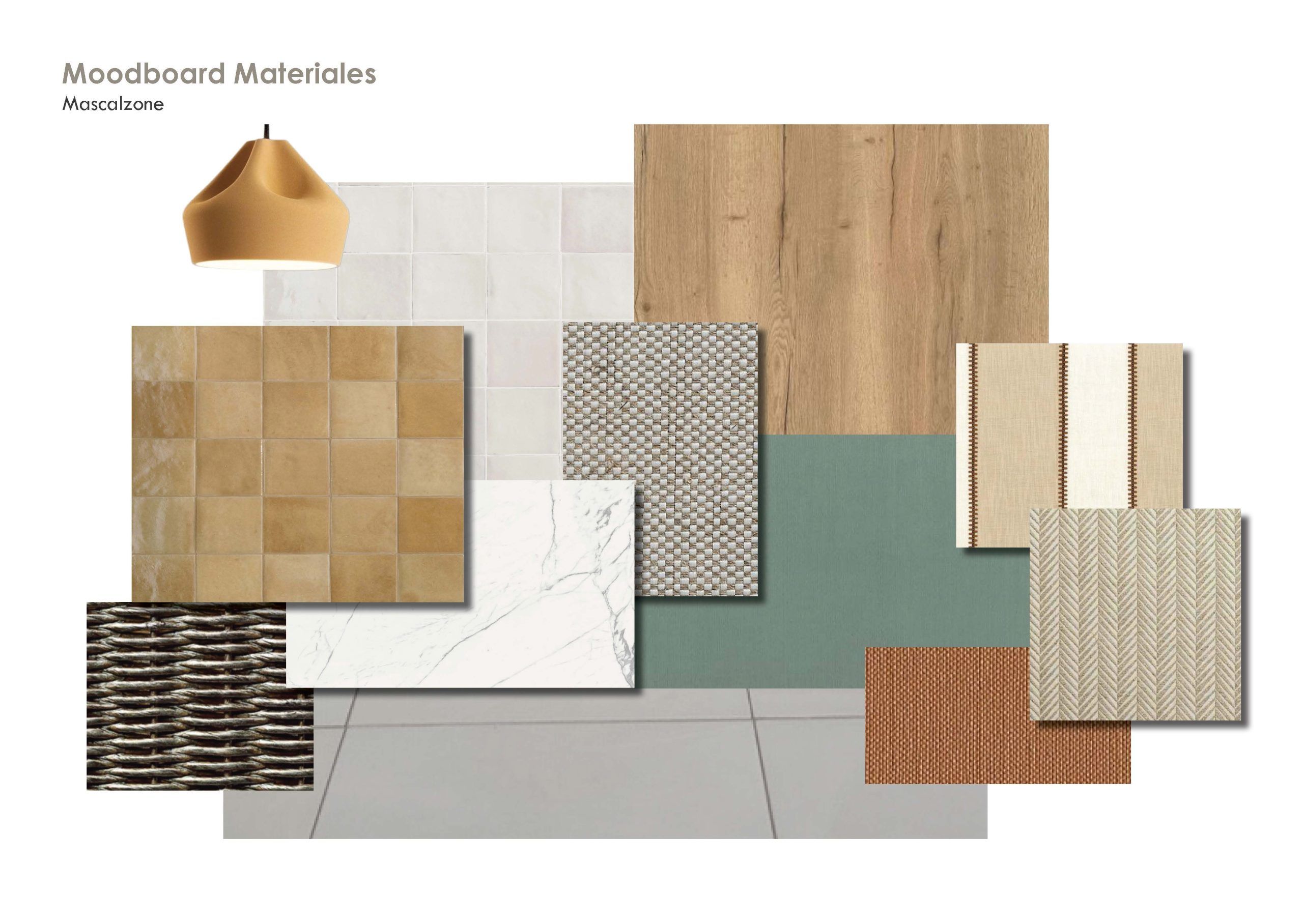
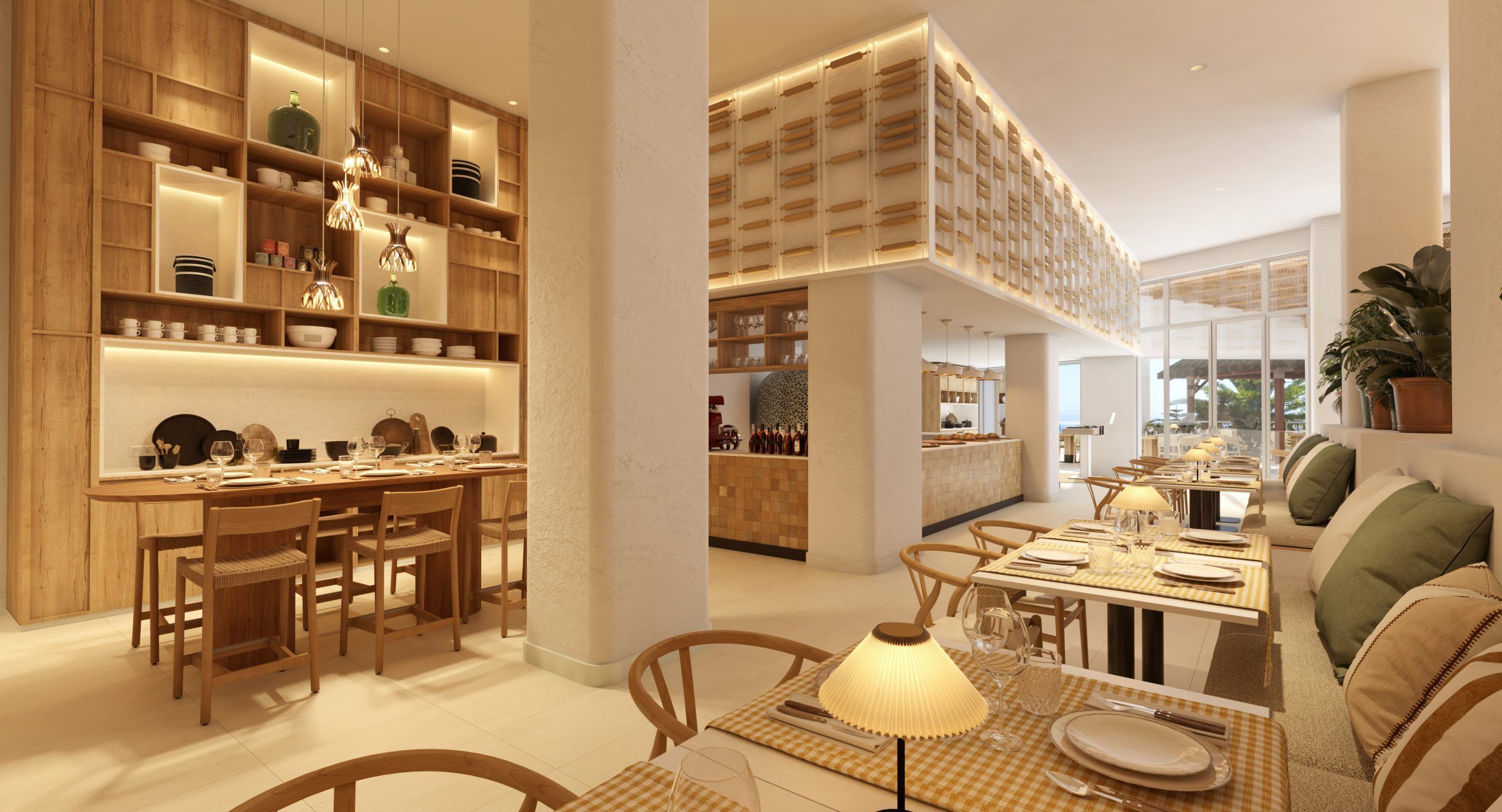
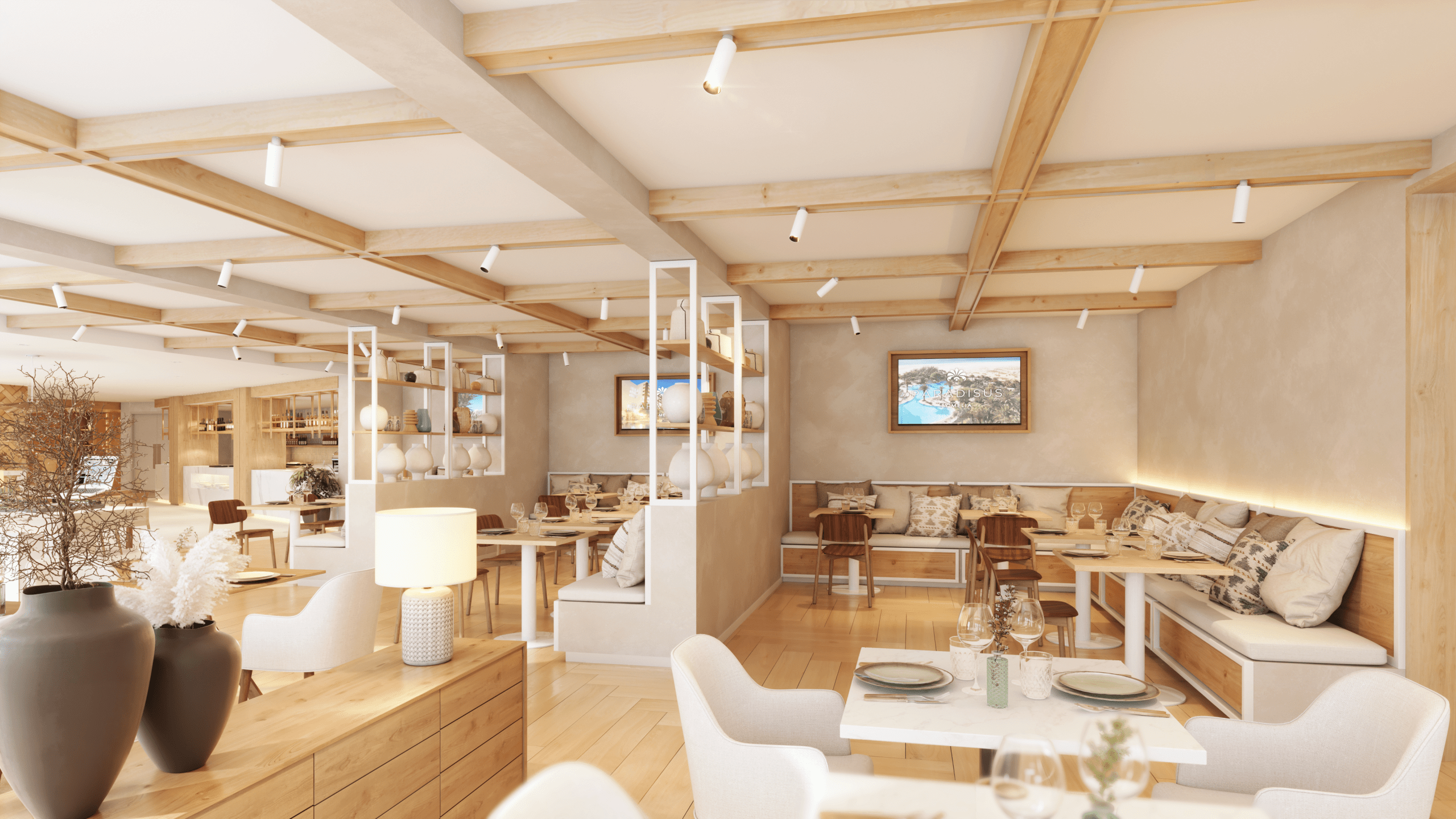
The interior draws on the codes of traditional Italian dining and refines them through a contemporary lens. Wood, ceramic, and plaster form the basis of the material palette, used with restraint and care to create a familiar yet refined atmosphere. A ceramic lattice marks the transition between Mascalzone and the Gastrohall, filtering views and adding a crafted backdrop that reinforces the restaurant’s artisanal character. Warmer tones, hand-crafted details, and a more expressive use of colour give Mascalzone a distinct character while allowing it to remain in dialogue with the wider hotel.
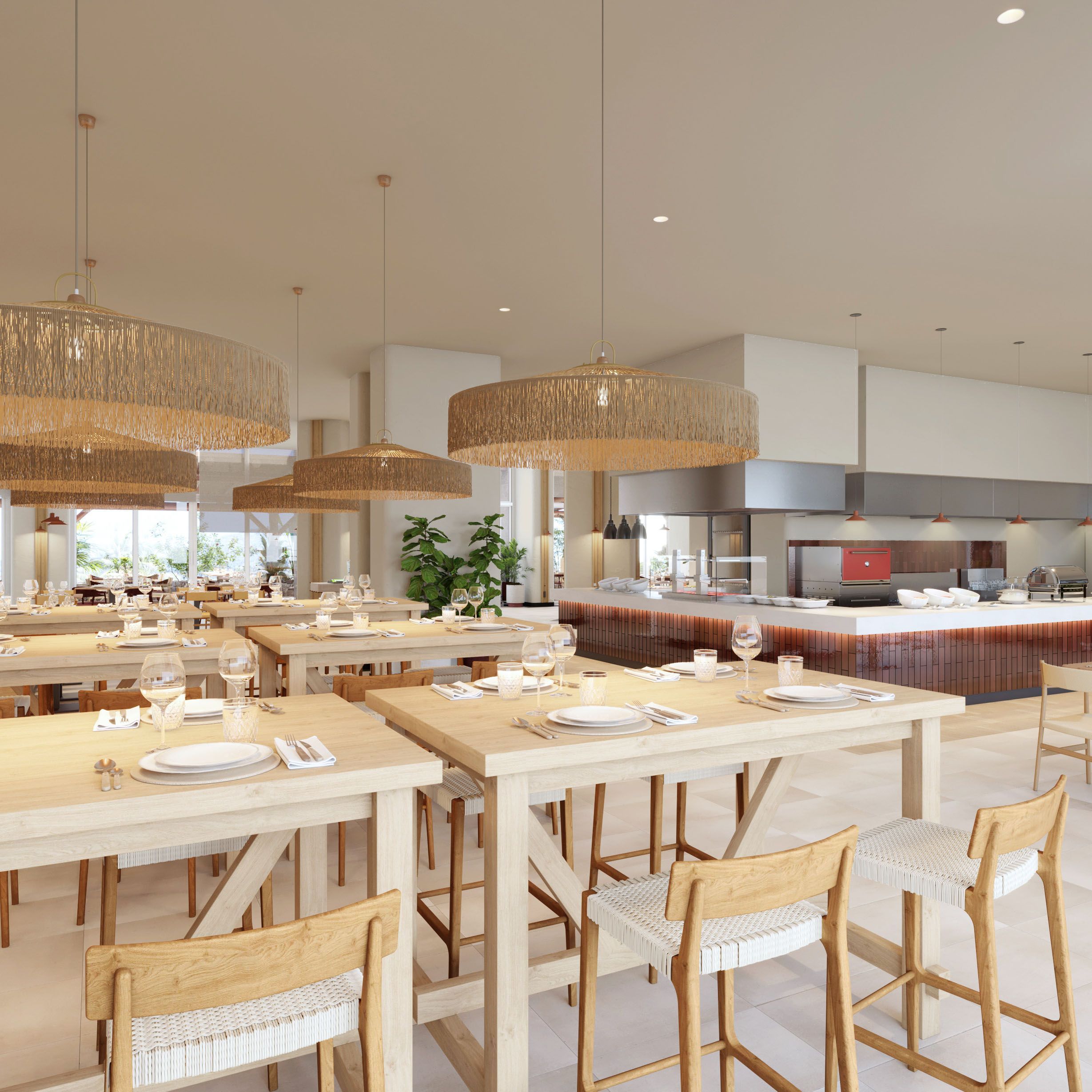
At the centre of the room, the open kitchen and show-cooking bar become the focal point of the experience. Subtle terracotta accents give this central element character and help anchor the restaurant’s Italian identity. Above, where the ceiling lowers, a sculptural installation of traditional pasta rollers completes the composition. No longer tools, they become symbols of tradition, handmade ritual, and meals shared with joy.
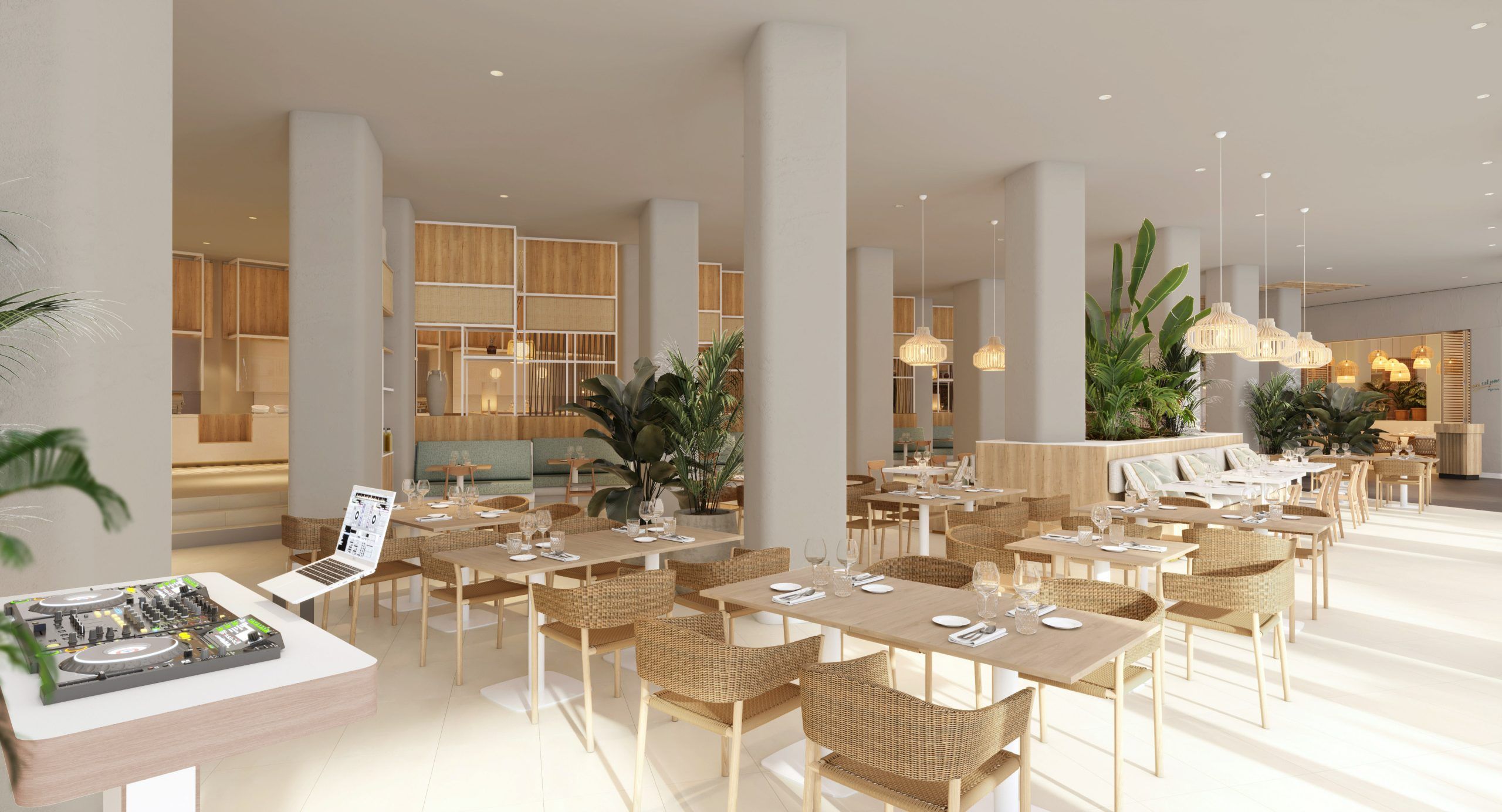
The layout is designed to encourage shared moments. Long wooden banquettes flank planted partitions, creating generous settings for gathering while evoking Mediterranean patios where vines spill from earthen pots. Woven pendant lamps hang like soft suns, casting dappled light across terracotta tiles and warm timber furniture. The terrace extends this atmosphere outward, maintaining the restaurant’s connection to the sea while giving the interior identity room to breathe.
Through this balance, Mascalzone gains a strong character of its own while preserving the hotel’s calm design language and the quiet presence of the sea.
Like a timeless Italian recipe, the interior relies on a few essential ingredients: wood, ceramic, and plaster.